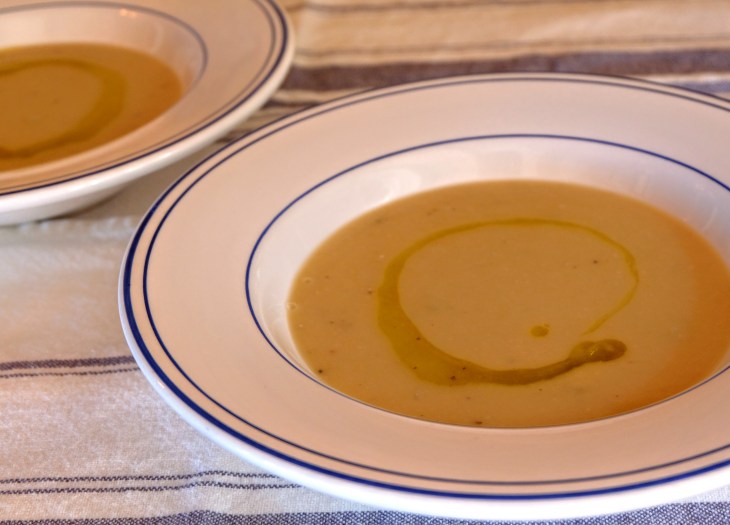
Dishes with history, provenance and ones that create a memory the first time you try them are my favorite kind. I recently had Zuppa di Fave Secche (Dried fava bean soup) and it made a lasting impression. I had it for lunch in Mantova (Mantua) northern Italy, at Piccola Osteria Andes.
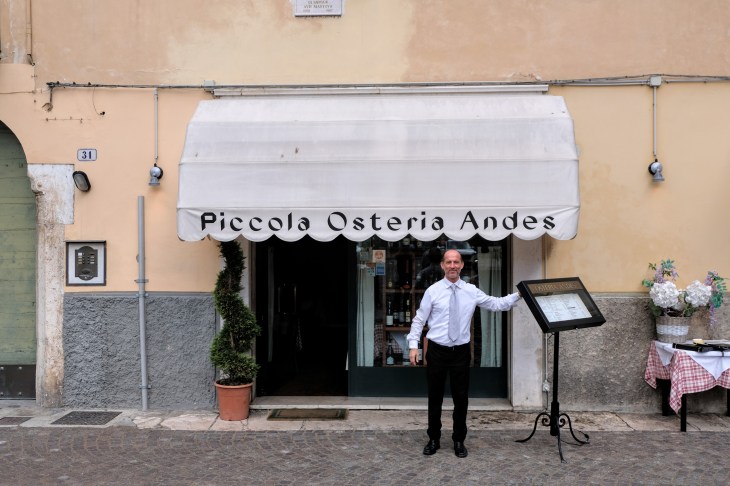
With the help of Google Translate, and broken English and Italian, I got glimmers of the recipe from our host and owner, a man from Puglia, southern Italy.


Most of my research credits Sicily, not Puglia as the source of the dish. A dish that research also tells me is from the 14th century (and some say back to ancient Rome) and was served toward the end of winter to welcome spring, using up dried beans to make room for the new fresh ones.
From northern Italy in Mantova, to southern continental Italy in Puglia, to even deeper south in Sicily, I hope you make and enjoy this dried fava soup – regardless of its provenance!
___________________________
Did you enjoy reading or making the recipe from this post? If so, please give it a “like” or a comment. It would be nice to know you are out there and that my posts connect with you.
Title
Ingredients
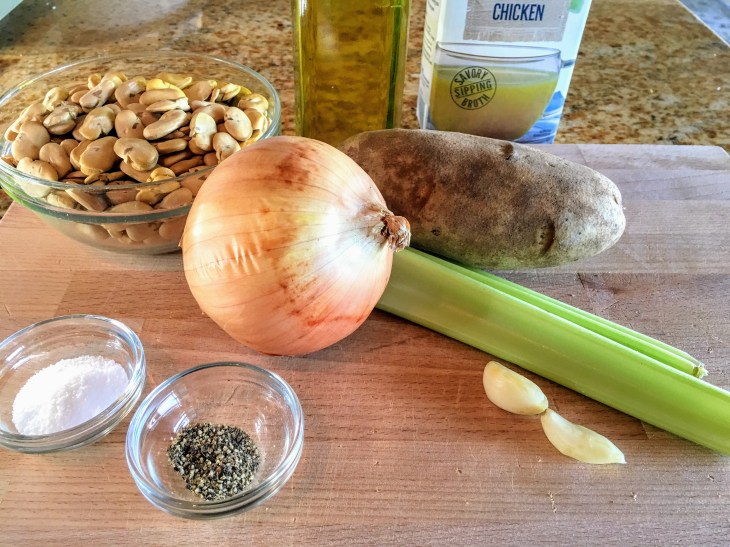
- 2 cups dried and peeled fava beans
- 1 medium yellow onion (yields about 1 cup, finely diced)
- 2 trimmed celery stalks (yields about 1/2 cup finely diced)
- 2 garlic cloves, finely minced
- 1 medium russet potato, or 3 small new (baby) potatoes
- 2 teaspoons kosher (not table) salt
- 1/2 teaspoon ground black pepper
- 2 tablespoons olive oil, plus more for dressing the soup
- 1 cup chicken broth (optional, and as needed)
Directions
- Soak dried fava beans in cold water overnight (12-18 hours). Cover beans by at least 4 inches of water
- When ready to make the soup, drain, rinse and drain beans again
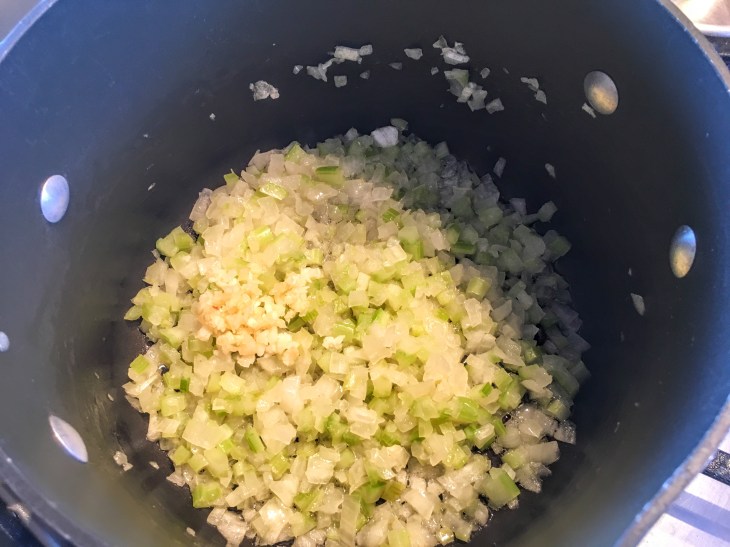
- Finely dice the celery and onion
- Bring a large stock pot to medium heat and sauté the onions and celery in olive oil until softened (approximately 7 minutes). Stir occasionally. Do not let the onions brown. Add the minced garlic to the pot in the last minute
- While the onions and celery are sautéing, wash and peel your potato(es). Slice in 1/4 inch (1/2 cm) medallions
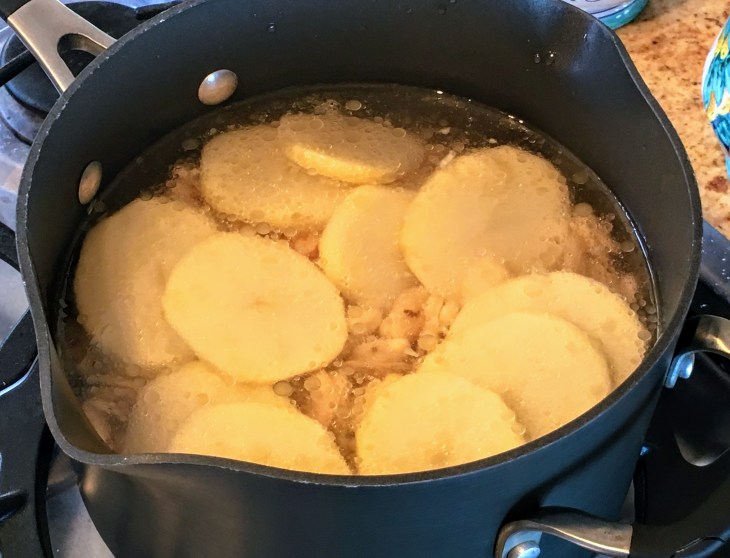
- Add the beans to the pot with the sautéed onions and celery, then top with the potato slices. Cover all beans and vegetables with water by 1 inch (2-3 cm)
- Bring to a boil, stir, and then reduce to a simmer and cover. On medium-low, gently simmer for 75-90 minutes until the beans are soft. If you keep the lid covered, you ought not need to add any water. Stir occasionally to avoid beans burning on the bottom of the pot. At 75 minutes, test a bean for softness/doneness by eating one
- Dried fava beans are hard by nature. When fully cooked through, they should be soft, but will still feel a little al dente. Keep simmering until they are fully soft. Unless you dry fresh beans yourself, you’ll have no idea how old the beans are. Older beans take longer to cook through, thus the wider range of cooking time. Mine, for example, took 90 minutes because they’ve been in my cupboard for over a year (or two… who’s counting?)
- Once the beans are soft, save one cup of the bean broth (set aside)
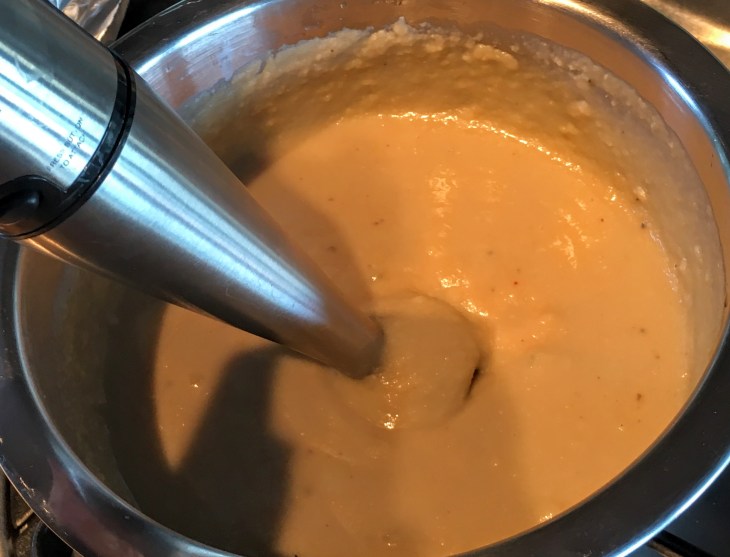
- Add the kosher salt and pepper and use an immersion or regular blender to puree the beans. Blend to your desired consistency (I like mine smooth).
- Once blended, check for salt-level and for the soup’s consistency. If it is too thin, bring it back to the stove and simmer until it’s reduced to your liking. If it’s too thick, either add chicken broth or the reserved bean stock to loosen it. If you added chicken broth, return the pot to a simmer and simmer for 5 minutes to ensure it’s fully integrated
- Ladle soup into bowls or cups, and drizzle with your best quality extra virgin olive oil
- Serve with a side of bitter greens (example: chicory (traditional style), grilled or baked radicchio, collard greens, swiss chard, etc.)
*It’s So(fritto) Fun!: As mentioned above, soffritto is the Italian word for a carrot, onion and celery mix, a standard flavoring base for stocks and soups. The French name is Mire Poix. In a classic Soffritto or Mire Poix, the recipe is two parts onion to one part carrot and celery. The American Cajun/Creole version of soffritto is named “Holy Trinity.” However, this version swaps out the carrot for a green bell pepper. In the recipe, above, I did not use carrots because I didn’t want to add any sweetness.

 Greg Nelson Cooks
I’ve never given dried fave a thought, even after all these years (we just eat them fresh). But, being that this is soup season, I have no excuse not to try them!
LikeLiked by 1 person